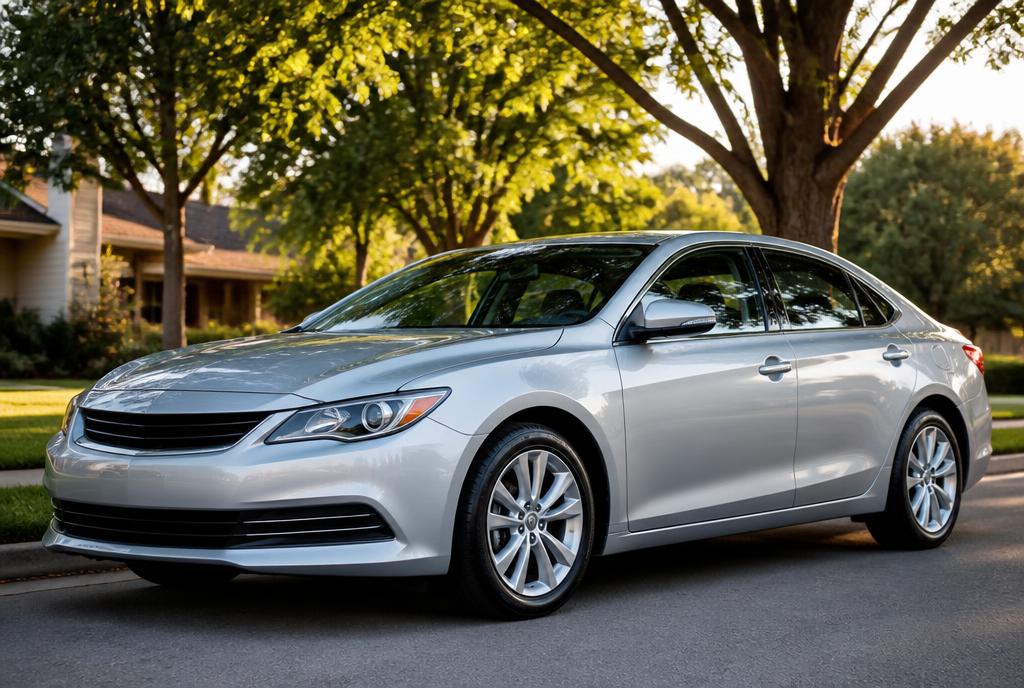
The needs are consistent. Wash-induced swirl marks on the paint, a hazy windshield from heat, dust in every vent slat, and a driver's seat bolster that has taken years of getting in and out.
Where cars wear first
- Hood, roof and trunk lid — the panels that take the most direct UV
- Driver's door armrest, steering wheel and shifter, from hand oils and sun
- Driver-side carpet and bolster, from entry and exit wear
- Windshield interior, which hazes as the dashboard off-gasses in heat
- Front bumper and mirror caps, from freeway grit and rock strikes
A practical plan for a Sacramento commuter car
A hand wash every two weeks, a full detail twice a year, and a paint sealant applied before summer covers the majority of what a daily-driven car here actually needs. If the paint is dark or already swirled, add a one-step paint correction once and then protect it.
Street-parked cars in Midtown and Downtown need more frequent washing because of tree cover and lower panel road film; garage-kept cars can stretch the schedule considerably.
Selling or returning a lease
A full detail combined with headlight restoration and light scratch improvement is the standard pre-sale package. It costs a fraction of what buyers deduct for a car that looks tired, and clean carpets plus a fresh-smelling cabin change first impressions more than anything else on the list.
Frequently asked questions
Can you detail my car while I'm at work?
Yes — workplace detailing is one of our most common bookings, and a parking space is all we need.
How long does a car detail take?
Roughly three to five hours for a standard car in normal condition.
Do you detail street-parked cars?
Yes, where the parking is legal, safe and reasonably clear of traffic.
Keep exploring
Service areas
Helpful guides